Header Ads

Clean energy’s dirty secret

Climate Changed Newsletter
Bloomberg Climate Changed
FOLLOW US Facebook ShareTwitter ShareSUBSCRIBE Share with a friend
 

New York State legislators on Thursday approved their own version of the Green New Deal, setting the most aggressive clean-energy targets in the country. Exactly how the Empire State will pull off such an ambitious plan remains to be seen. —Josh Petri

 
"Everyone's aware that we use electricity and energy to heat our homes and turn our lights on, but they might not have thought that loads of energy is needed in all the materials required to build the building in the first place."

—John Barrett, professor at the school of Earth and environment at Leeds University in northern England. The biggest problem with modern buildings is how they're made.


Top stories

The Trump administration is on track to obliterate former President Barack Obama's signature plan for combating the climate crisis by replacing sweeping curbs on power plant emissions with requirements for modest upgrades at the sites. But first they have to survive some court fights.

The U.S. military is belching more global-warming pollutants than some industrialized nations, according to a new study. 

Clean energy has a dirty secret. While the industry is welcoming more women leaders, its rank-and-file workforce is still a lot like those at fossil-fuel companies: white and male.

Himalayan glacier melt has doubled over the last 40 years, according to new research made possible by declassified cold war era satellite imagery.
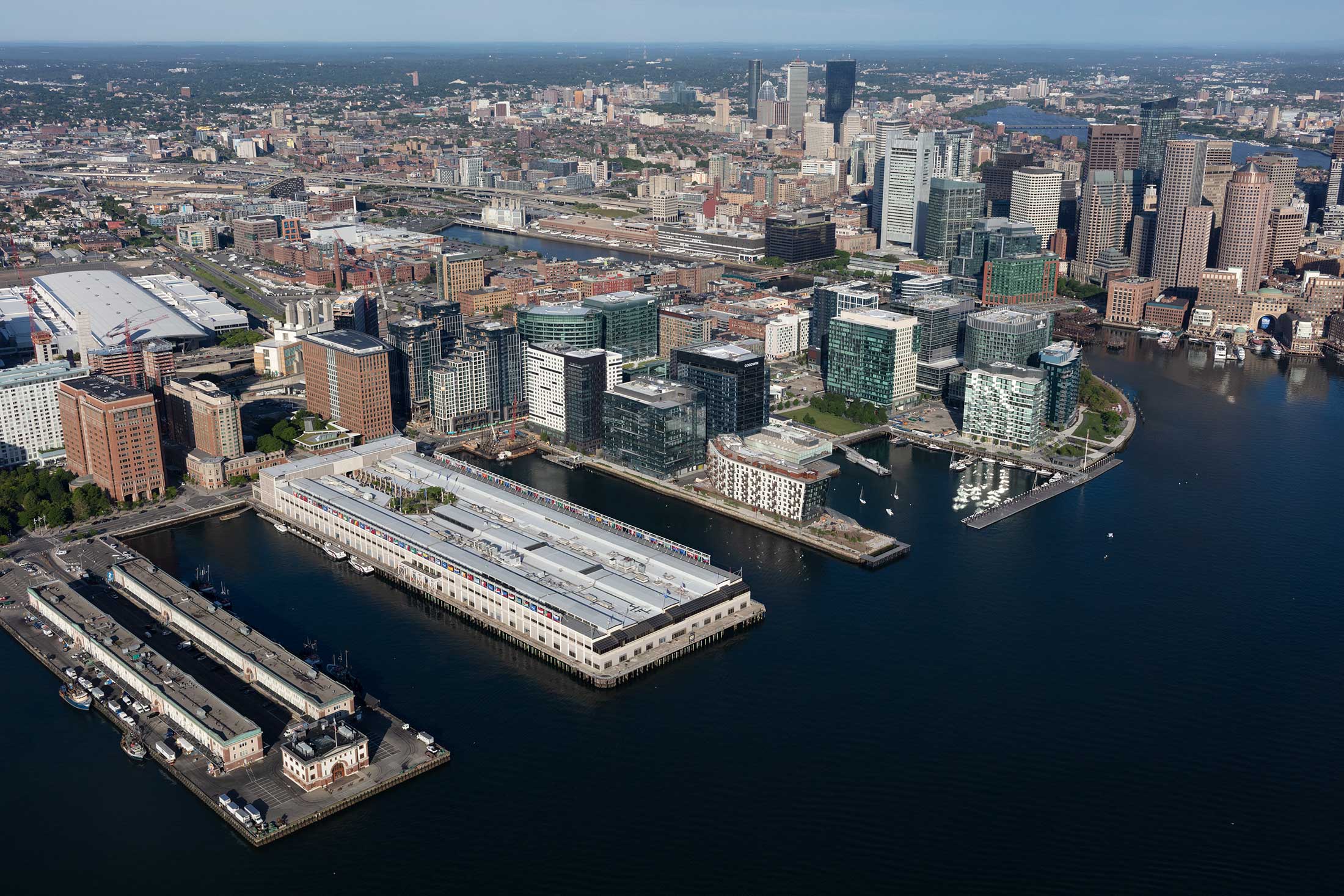
Boston's Seaport District used to be little more than parking lots and warehouses. Then the city began recruiting startups and big corporations to what it dubbed a new "Innovation District." Offices, luxury condos, museums and some of the city's hippest restaurants sprouted. The timing, however, seems poor, and the construction a function of pure hubris. The harbor already floods a dozen times each year.

 
What we've been reading

The rising cost of natural disasters in the U.S. is sparking an uncomfortable debate: How to choose which cities to save, and which ones we should abandon.

The climate crisis will bring floods and famine. It all sounds rather biblical, no? In New Scientist, the argument is made that religion must rise to the challenge of global warming.

Sometimes science gives you empirical data backing up what you already know: Spending time outdoors makes you healthier and happier. The magic number is 120 minutes a week. 


No comments